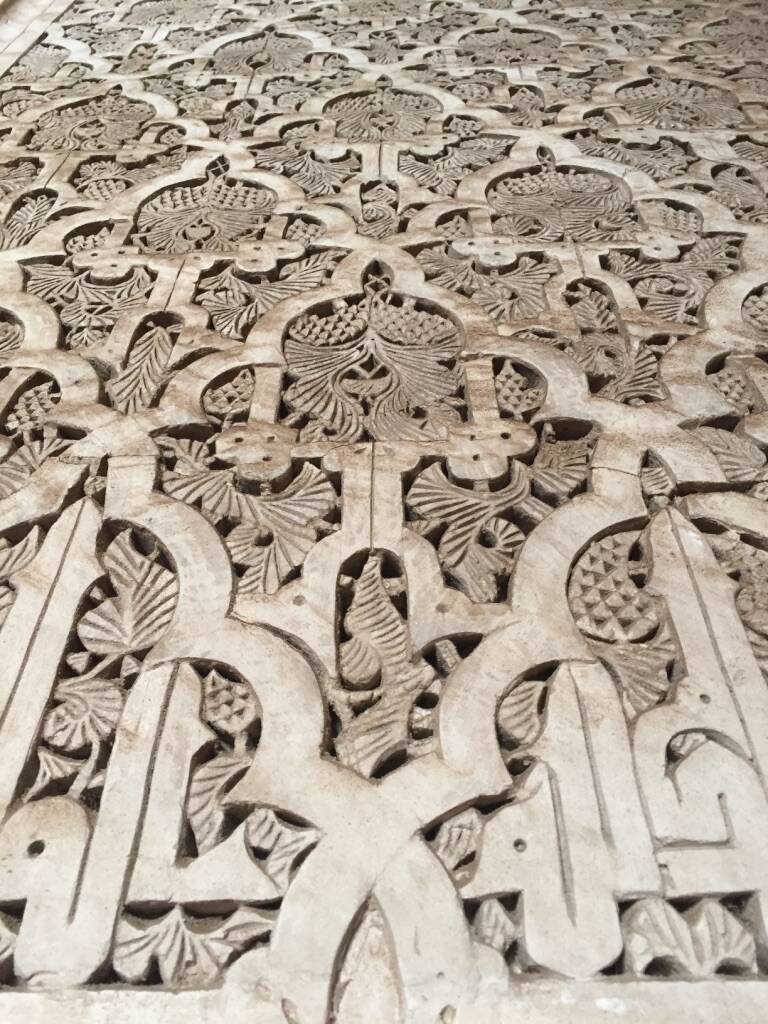


Collected observations.
The Observatory is a collection of visual discoveries
gathered during my travels around the world.
From ancient temples and botanical gardens to old city streets and forest trails, I am constantly collecting patterns, textures and beautiful details that later find their way into my drawings.

Coastal Inspiration
A fragment of seaweed washed ashore became the starting point for this piece. Its branching shapes, rounded air bladders and muted colours were too interesting to simply walk past.


Finding rhythm in Veere, The Netherlands
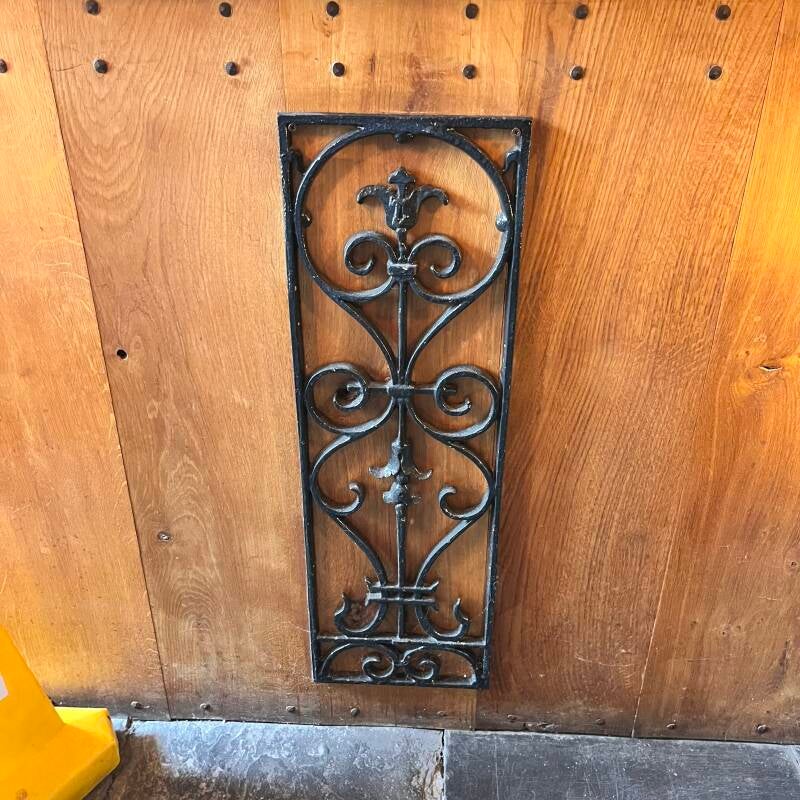
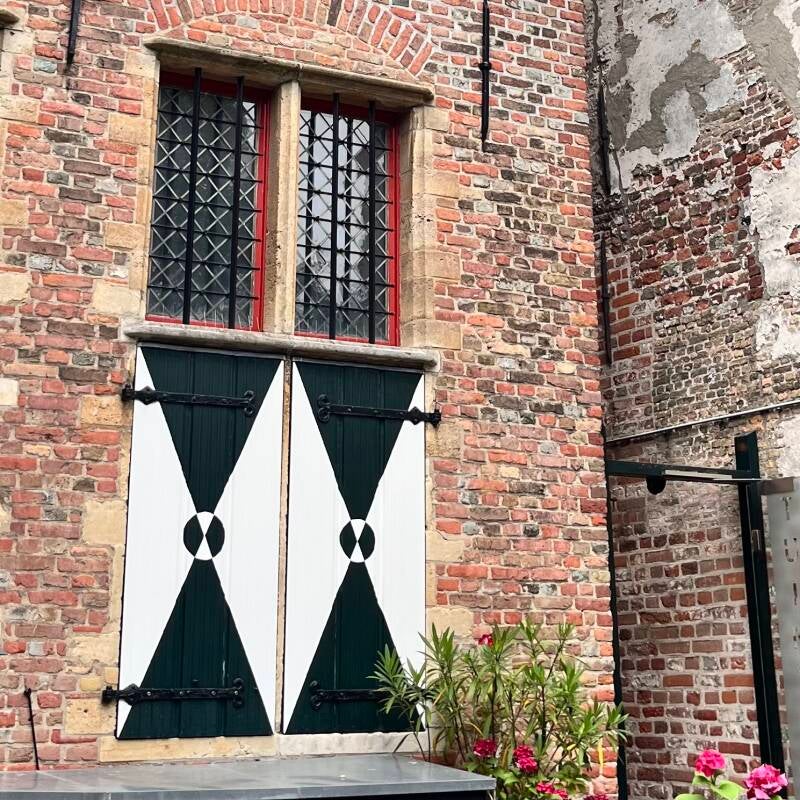
Some places reveal themselves through landmarks. Veere revealed itself through repetition.
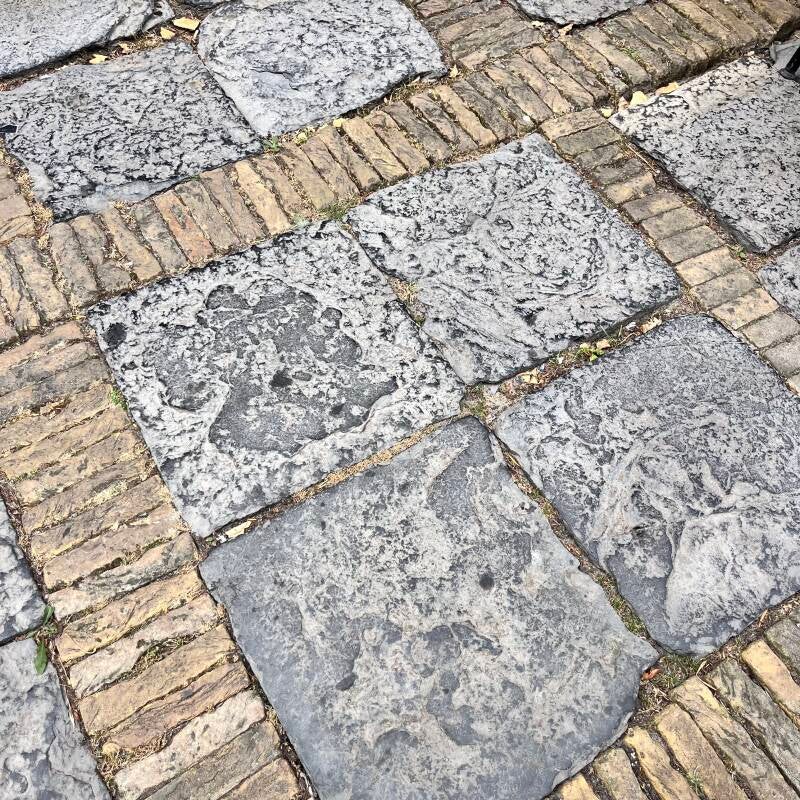
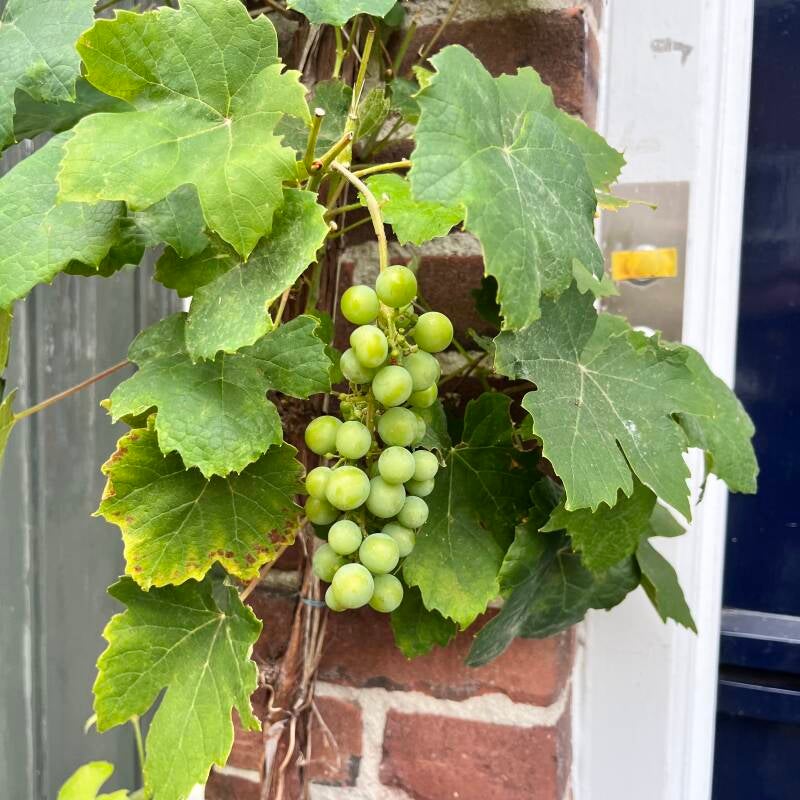
While wandering through its quiet streets, I found myself paying less attention to the buildings as a whole and more to the details that kept returning. Diamond-shaped window panes. Decorative wrought iron. Weathered paving stones. Geometric shutters. Brickwork that had quietly recorded centuries of time.
None of these elements seemed remarkable on their own. Together, they formed the visual language of the town.
I don't photograph these details because I want to reproduce them exactly. I photograph them because they become part of a growing personal library of shapes, textures and rhythms. They are fragments that may one day find their way into a drawing, often in ways I could never have predicted while standing there with my camera.

Church of San Nicolo, Verona, Italy
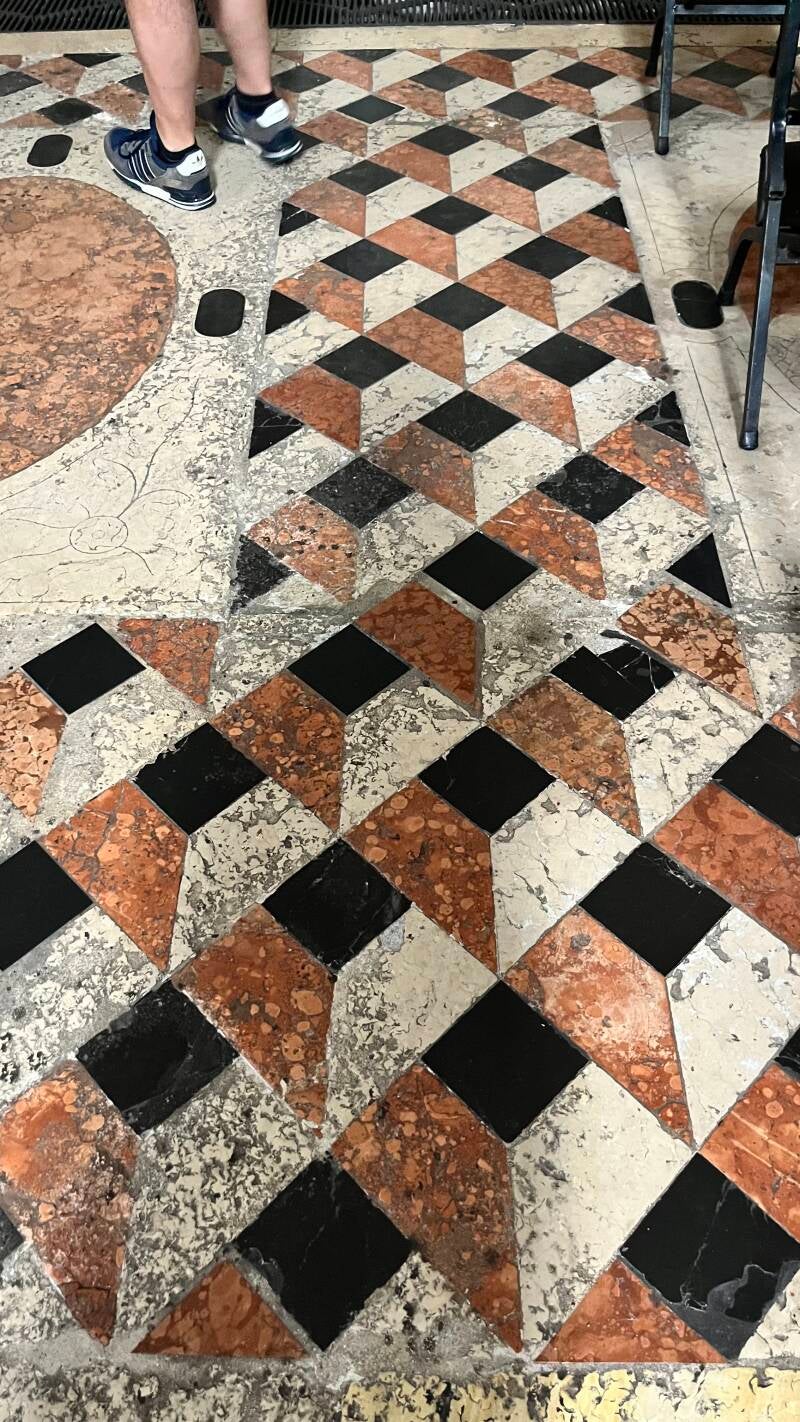
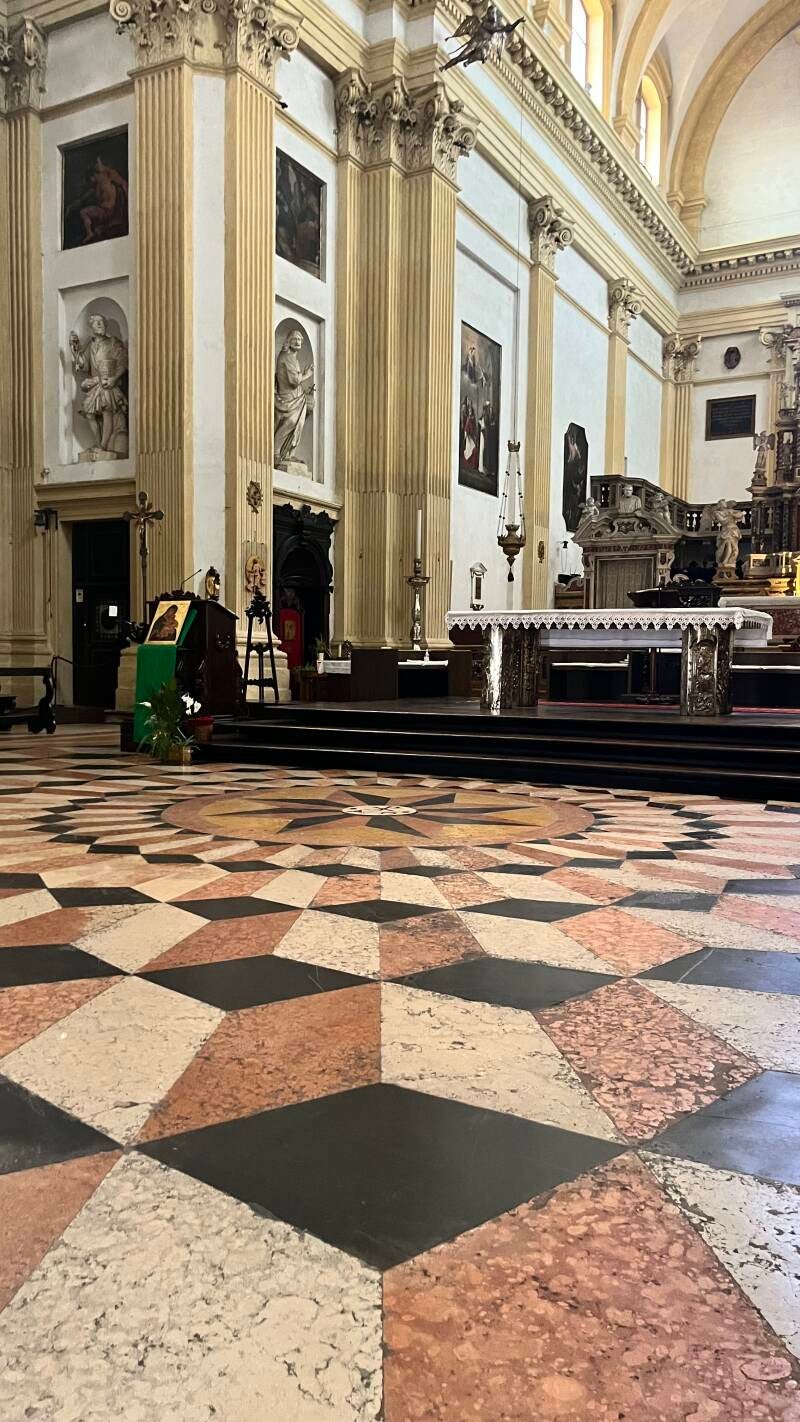
Sometimes inspiration isn't found in a museum, it lies beneath your feet.
The beautiful marble floor of the Chiesa di San Nicolò all'Arena is a masterpiece of rhythm, symmetry, and colour. As I stood there, I found myself studying every geometric shape rather than simply walking across it. It became the starting point for one of my own illustrations, proving that centuries-old craftsmanship can still inspire new creativity today.
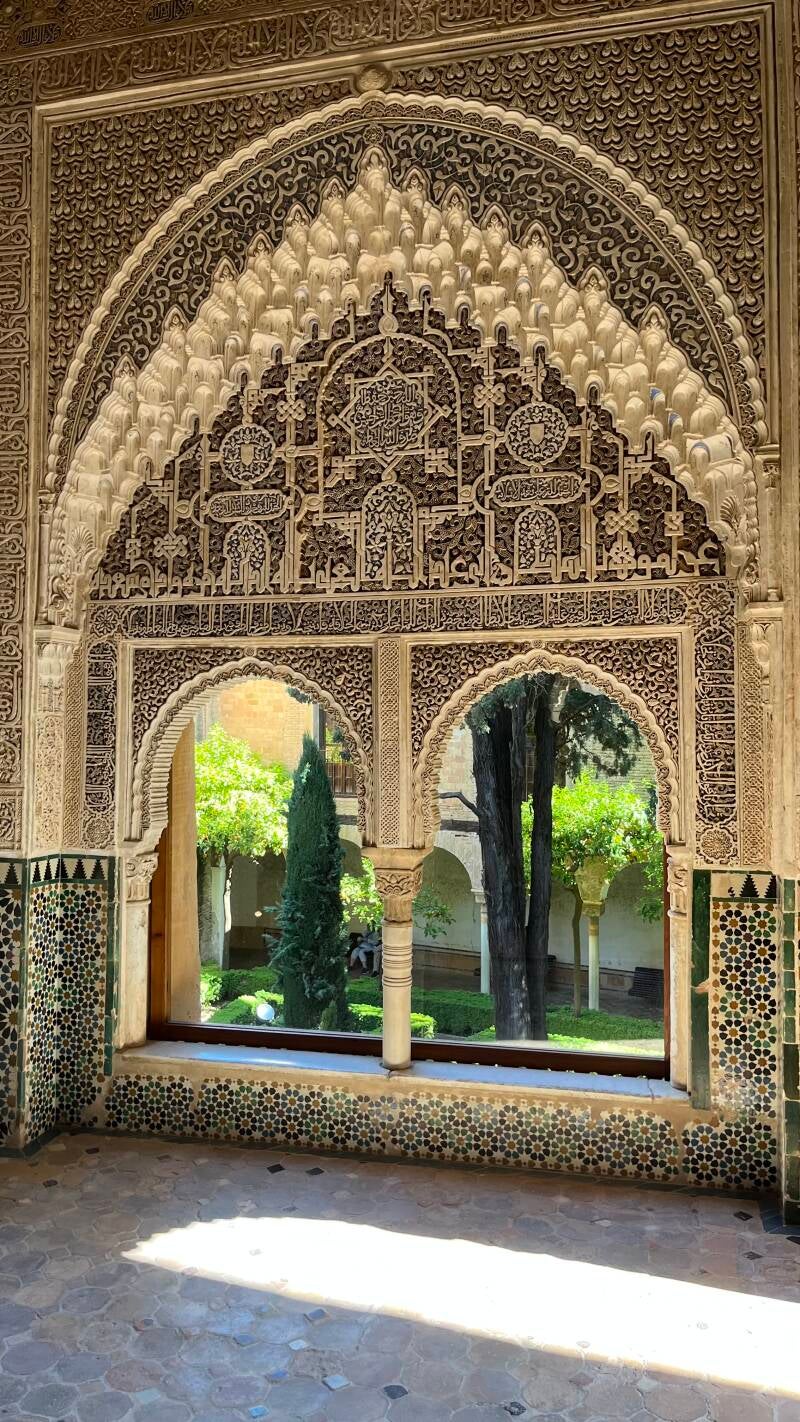
The Alhambra, Spain
A celebration of repetition and infinite variation.
The walls of the Alhambra are covered with astonishing geometric and floral patterns, each flowing seamlessly into the next. The longer you look, the more details reveal themselves. It is a place that reminds me how simple shapes, repeated with care and precision, can create extraordinary beauty.


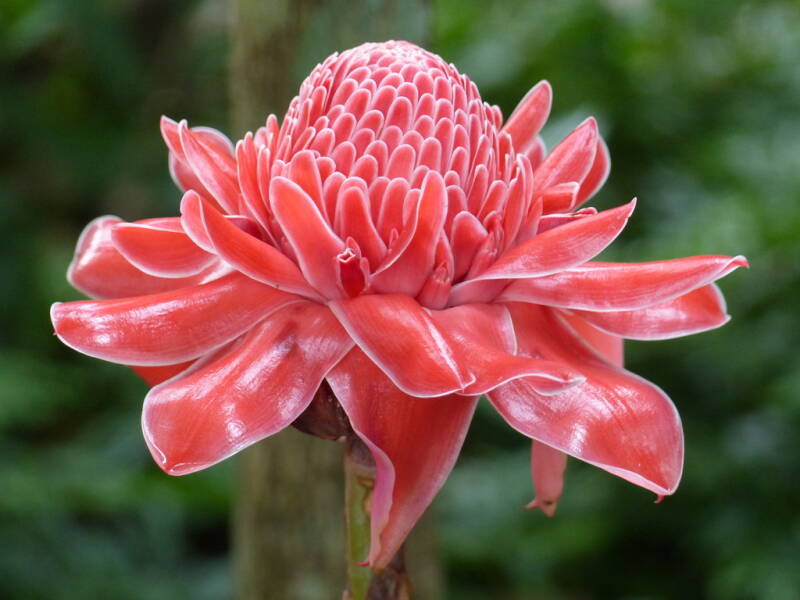
Singapore Botanic Gardens
The Singapore Botanic Gardens, a UNESCO World Heritage Site since 2015, are among the world's oldest tropical botanical gardens. Wandering through its winding paths is an invitation to slow down and notice the extraordinary diversity of shapes, textures and patterns that nature creates so effortlessly.
For an artist, these are far more than beautiful plants. They are studies in rhythm, repetition, balance and form. Every leaf, every petal and every marking offers a reminder that some of the finest designs have existed long before we ever put pen to paper.
"Nature is often the greatest pattern designer. All we have to do is slow down and look."


Royal Gardens, Phnom Penh, Cambodia
In the gardens of the Royal Palace, this traveller’s palm immediately caught my attention. Its enormous leaves unfold in an almost perfect fan, creating a natural rhythm of radiating lines. The contrast between the broad green foliage and the finely structured stems makes the plant feel almost architectural. It is a beautiful reminder that nature often creates its own geometry.
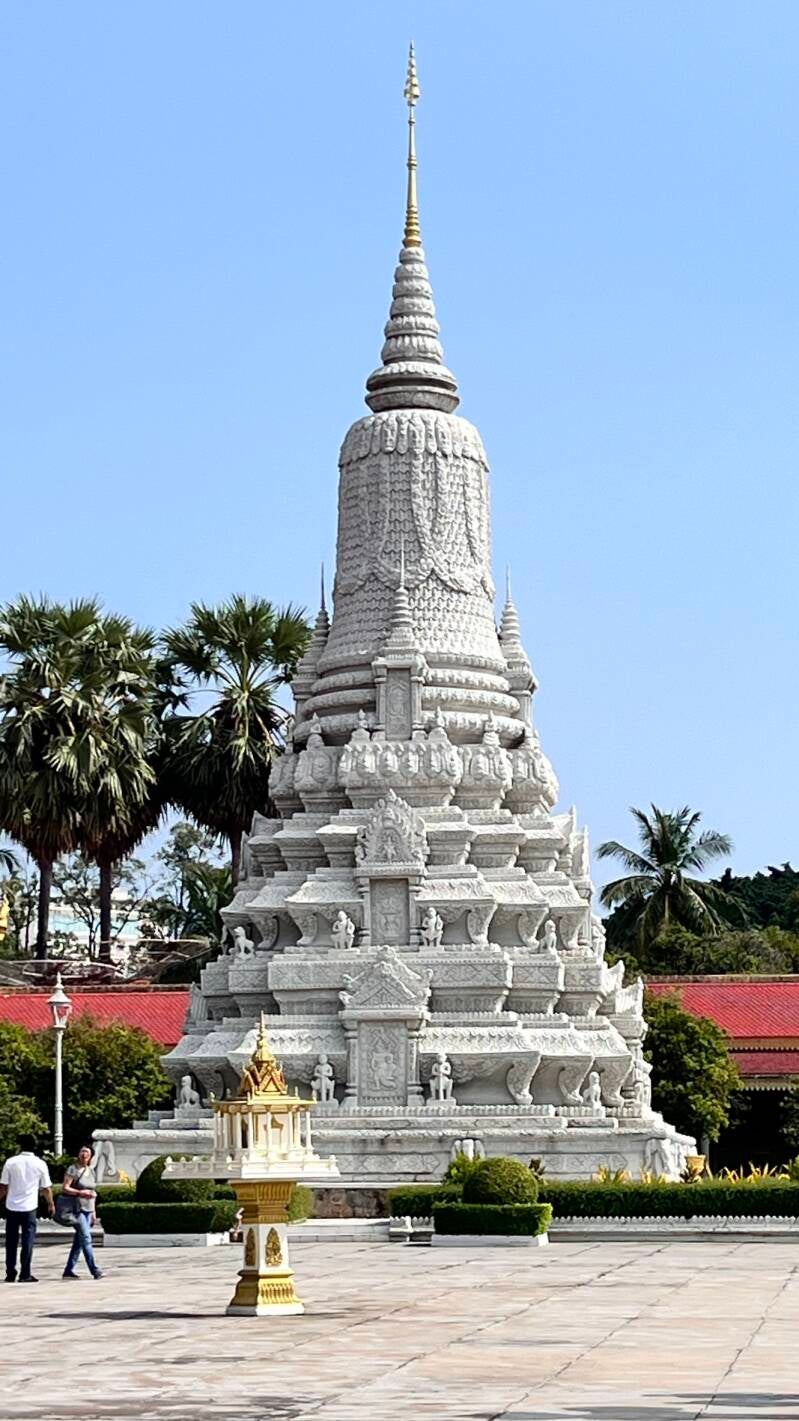
At the Royal Palace, even single stupa becomes a study in repetition and balance.
From a distance, it appears almost serene in its simplicity. But as you move closer, countless carved motifs begin to emerge; delicate floral patterns, repeating borders, graceful curves, and finely sculpted figures, all layered with remarkable precision. It is a beautiful example of how Cambodian craftsmanship transforms repetition into elegance.

Naoshima, Japan
Naoshima is often called Japan's "Art Island", a place where contemporary art, architecture, and nature exist in perfect harmony.
At the Benesse Art Site, every artwork invites you to slow down and observe. This installation of polished stainless-steel spheres fascinated me because the pattern is not drawn, but created through repetition, reflection, and the changing perspective of the viewer. Every step reveals a new composition. It reminded me that patterns are not always found on paper; sometimes they emerge from space, light, and movement.


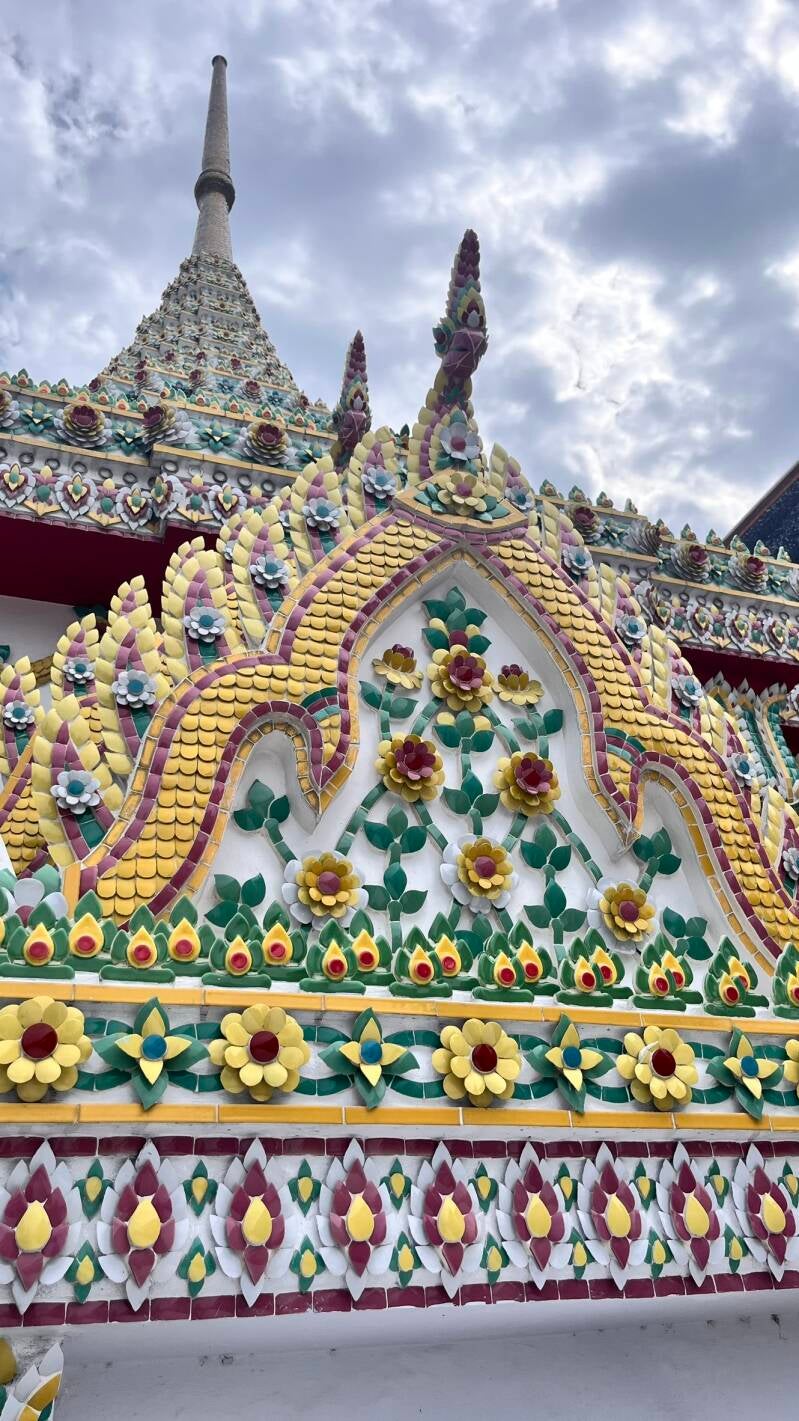
Wat Phra Kaew and Wat Pho, Bangkok, Thailand
Temples in Bangkok temples are a celebration of colour, craftsmanship, and imagination. At Wat Phra Kaew and Wat Pho, every surface is covered with intricate mosaics of porcelain, coloured glass, and ceramic tiles, forming an endless tapestry of flowers, leaves, stars, and geometric motifs. Even the towering guardian figures are clothed in dazzling patterns, each tiny piece carefully placed by hand. It is impossible to absorb everything in a single visit. The more closely I looked, the more patterns I discovered...each one a potential starting point for a new drawing.

New York Central Park, USA
Sometimes a pattern becomes more than decoration, it becomes a symbol.
The famous Imagine mosaic in New York's Central Park was created in memory of John Lennon and has become a place of quiet reflection for visitors from around the world. Built from thousands of small black and white tesserae, its elegant radial design draws the eye naturally towards the single word at its centre: Imagine. The geometry is beautifully understated, proving that a simple pattern can carry a powerful message.


Naoshima, Japan
Yayoi Kusama’s iconic Pumpkins have become one of the symbols of Naoshima and the Benesse Art Site. Kusama is internationally known for her obsessive use of dots and repetition, motifs that appear throughout her paintings, installations, and sculptures.
On the pumpkin, the black dots change in scale as they follow its rounded ribs, turning a simple organic form into a powerful visual pattern. Set against the sea, the sculpture feels playful, surreal, and instantly recognisable.


St. Michael's Church, Bamberg, Germany
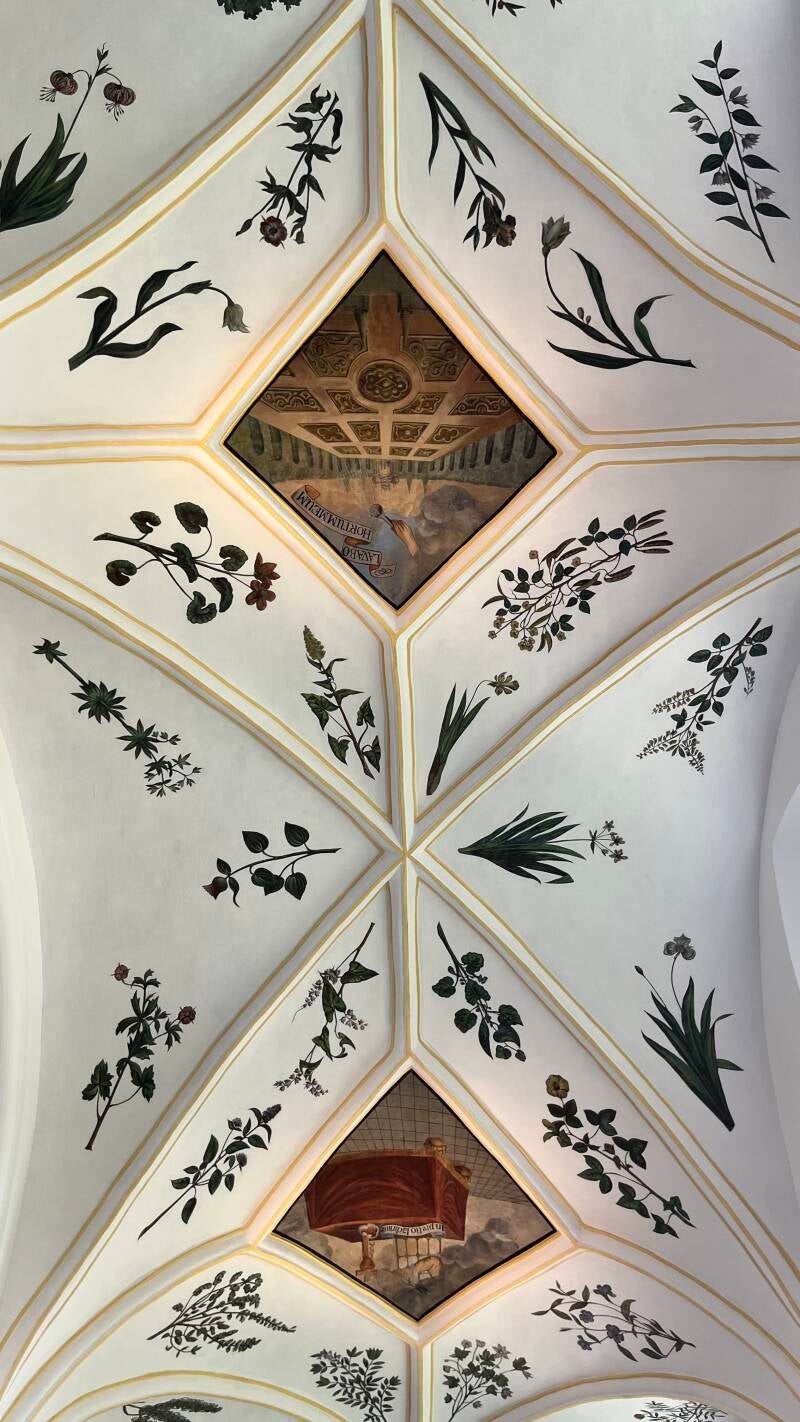
A botanical garden painted on a church ceiling...
The vaulted ceiling of St. Michael's Church in Bamberg is decorated with hundreds of carefully painted flowers, herbs, and plants. Created in the early 17th century, this remarkable "Herb Ceiling" transforms architecture into a living botanical illustration. Looking up, I found myself studying each individual plant as if browsing the pages of an old botanical sketchbook. It is a wonderful reminder that nature has inspired artists for centuries.

Hoi An, Vietnam
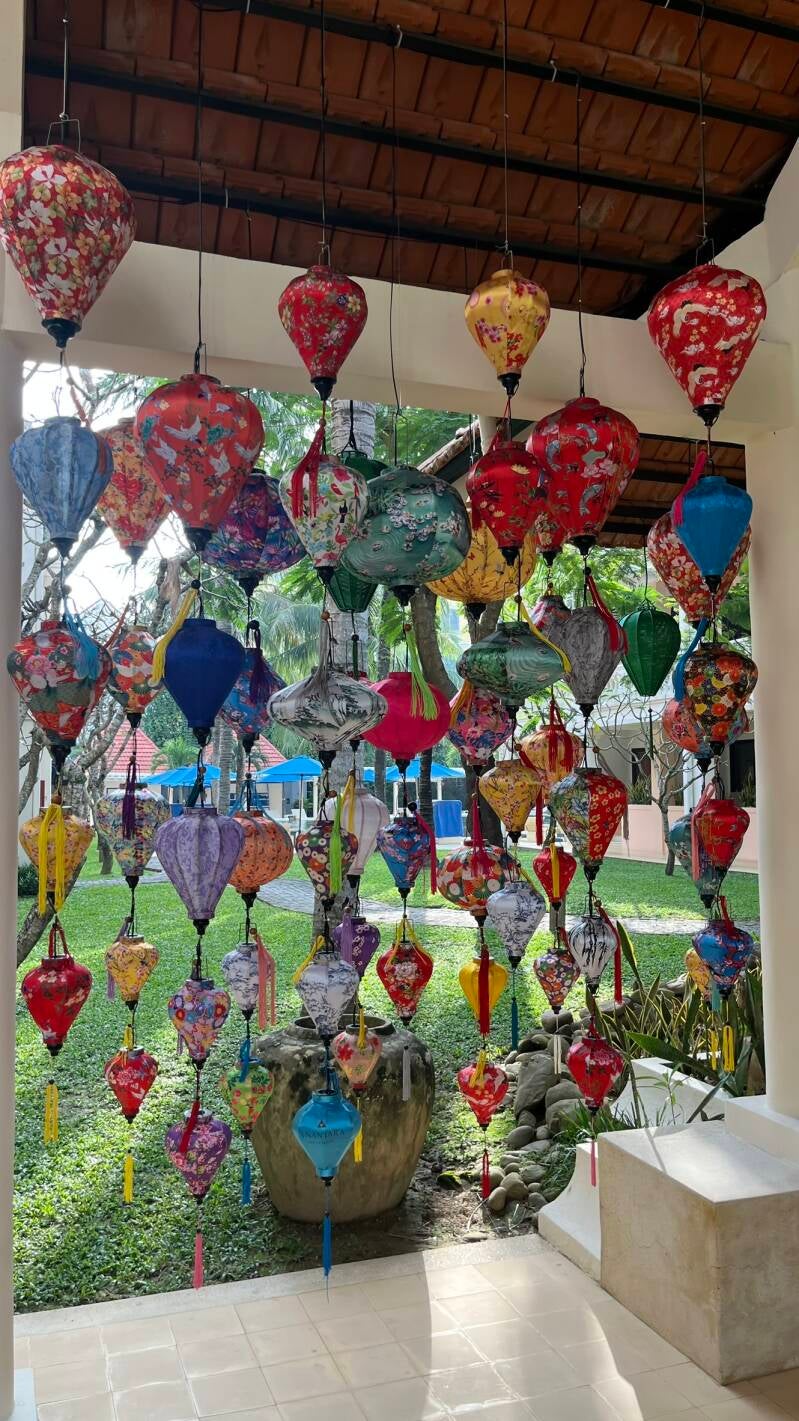
A festival of colour, rhythm, and light.
The lanterns of Hoi An are more than beautiful decorations—they are a symbol of the city's rich cultural heritage. Each lantern combines simple geometric shapes with colourful silk and delicate bamboo frames. Seen together, they form a joyful composition of repeating forms, colours, and textures. Sometimes a pattern is not found in a single object, but in the harmony created by many.

Yanaka, Japan
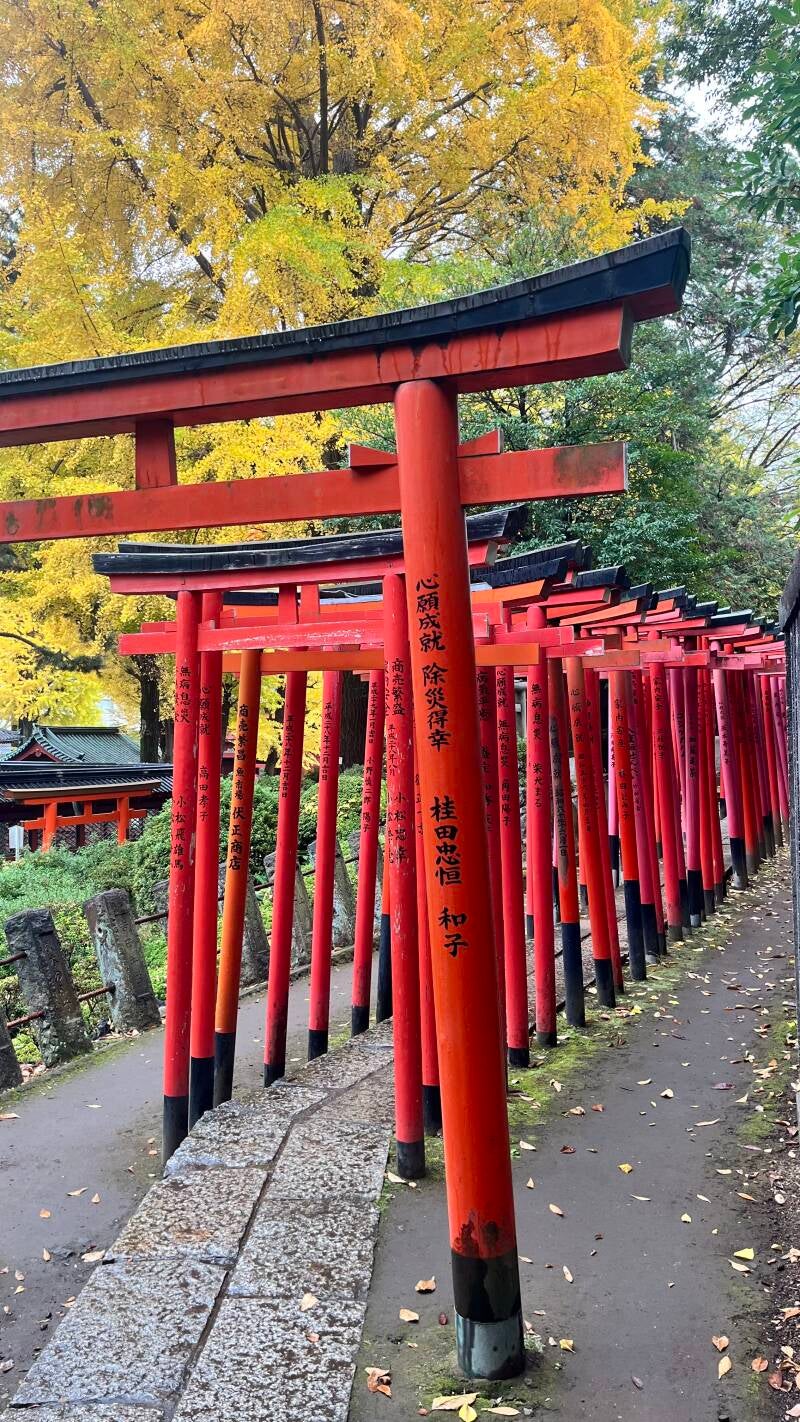
Even simplicity can become a pattern.
Outside many traditional Japanese homes and in the garden of shrines (Japanese Temples) small gravel gardens are carefully raked into flowing lines. The patterns are temporary, changing with every new pass of the rake, yet they express calm, balance, and mindfulness. There is something wonderfully peaceful about creating beauty with nothing more than sand, stone, and a simple gesture.
Patterns do not always need complexity to leave a lasting impression.
Piazza Armerina, Sicily
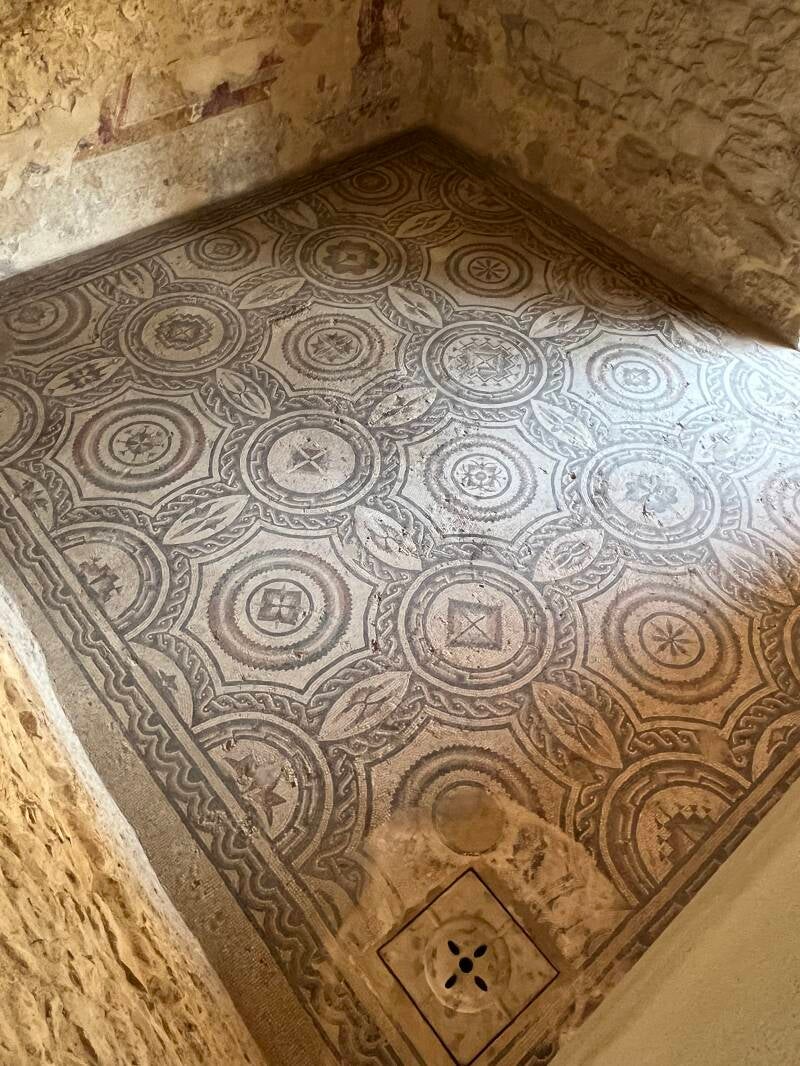
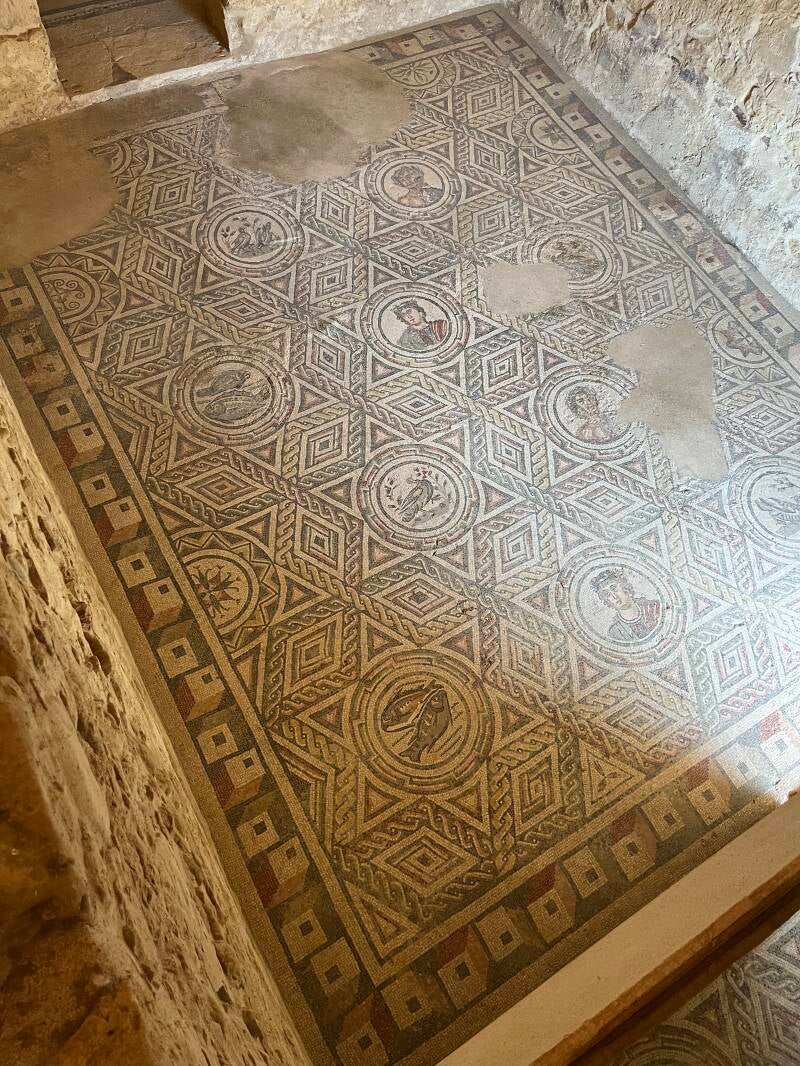
Walking through the Villa Romana del Casale in Piazza Armerina felt like stepping into an ancient pattern library.
Every room reveals a different composition of geometric borders, braided bands, medallions, and intricate mosaics, all assembled from countless tiny stones. Although the figurative scenes are extraordinary, I found myself drawn to the decorative patterns surrounding them. They demonstrate how repetition, symmetry, and variation can transform simple shapes into timeless works of art.
Meru shrines, Bali, Indonesia
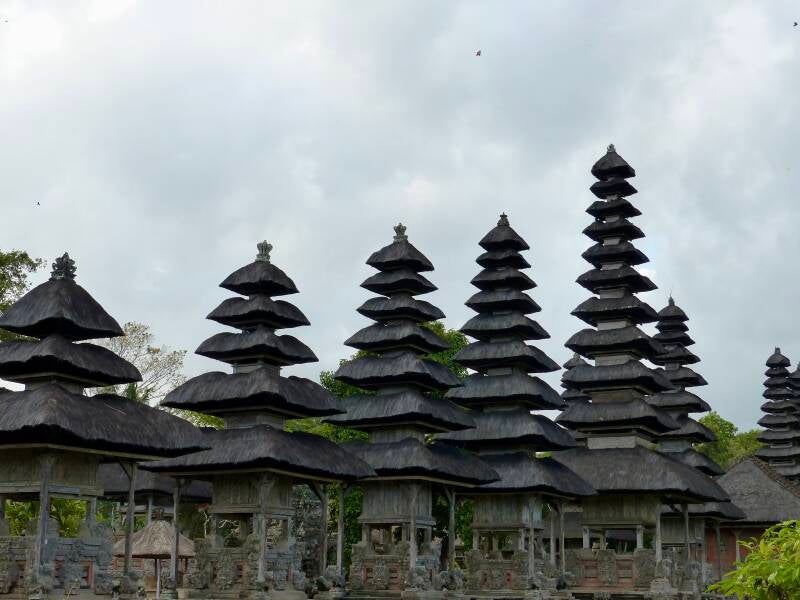
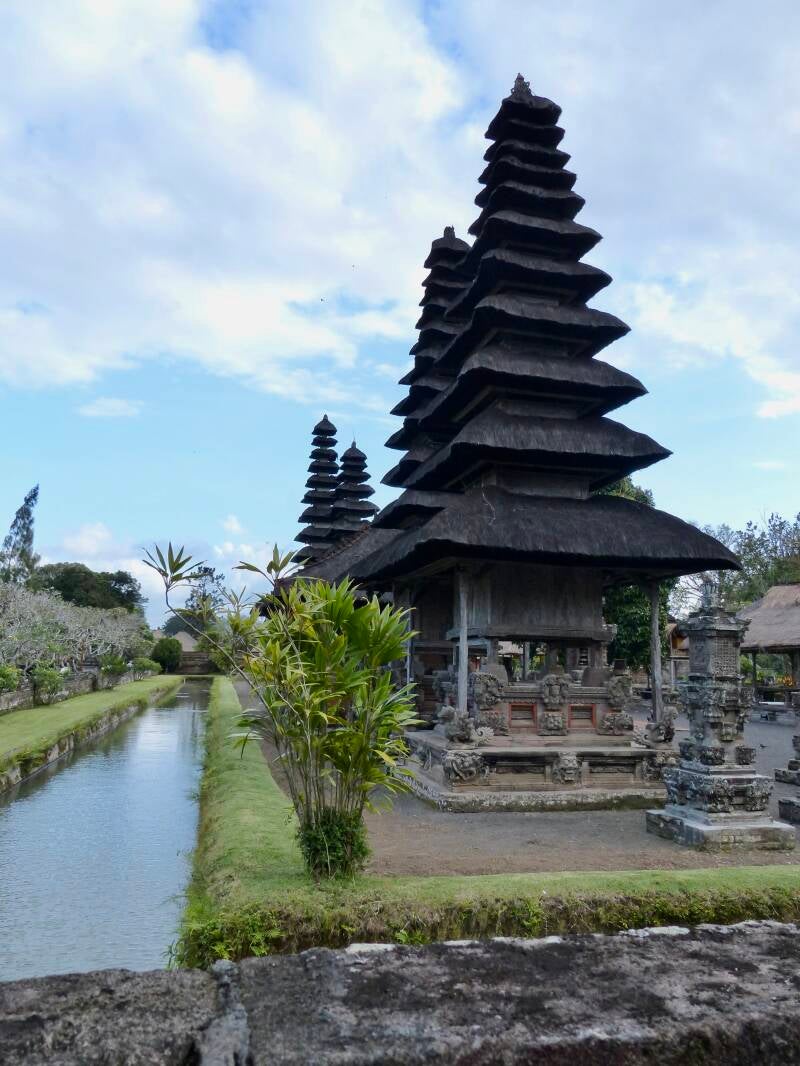
The skyline of Bali is unlike anywhere else in the world.
Rising one above another, the multi-tiered Meru shrines create a beautiful rhythm of repeating forms and silhouettes. Their layered roofs symbolize the sacred Mount Meru and are built in odd-numbered tiers, each carrying its own spiritual meaning.
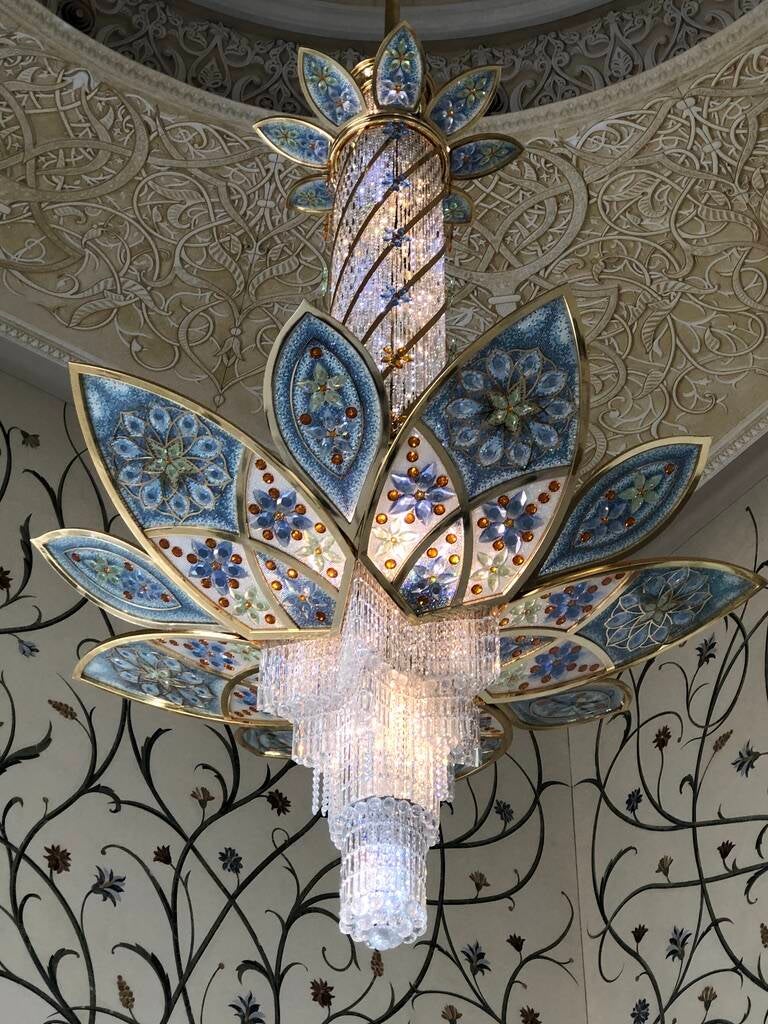
The Sheikh Zayed Grand Mosque in Abu Dhabi
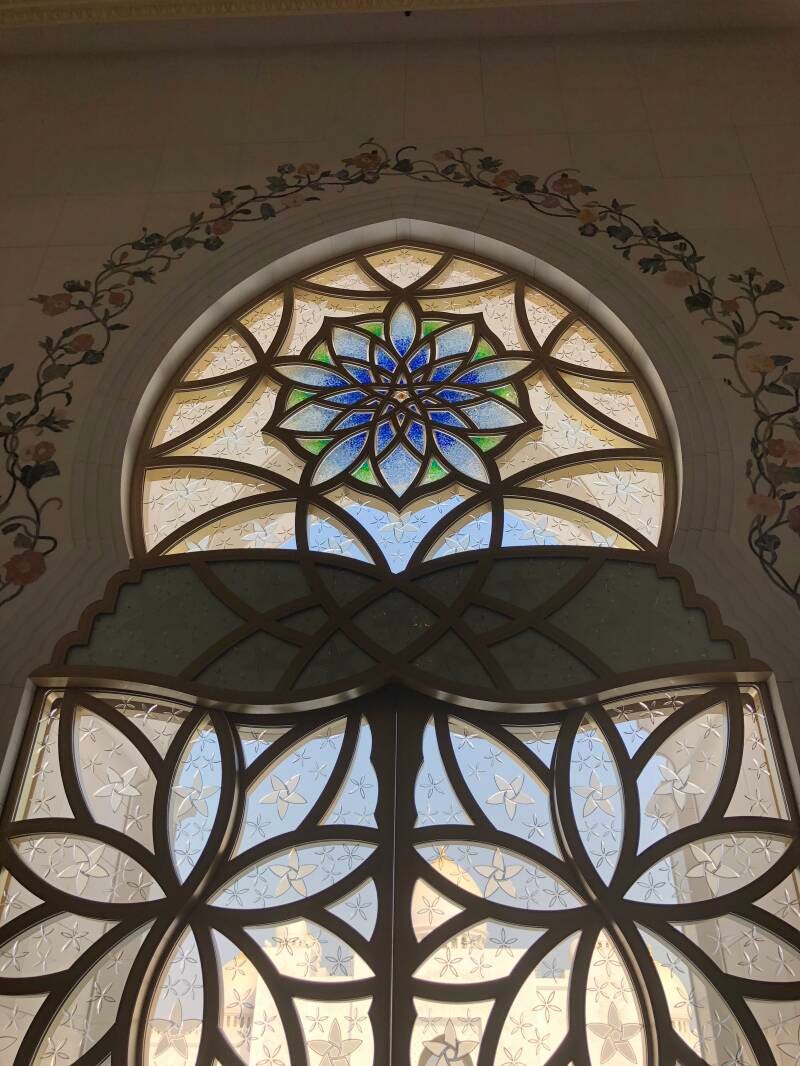
This mosque is a masterpiece where geometry, nature, and light come together in perfect harmony.
Throughout the mosque, floral motifs flow effortlessly into geometric patterns, appearing in the windows, marble inlays, carved walls, and even the magnificent crystal chandeliers. The chandeliers themselves were inspired by the date palm, a symbol of life and generosity in the UAE, while the delicate floral and arabesque designs echo throughout the entire building. Every detail feels connected, creating a sense of balance that is both inspiring and deeply peaceful.
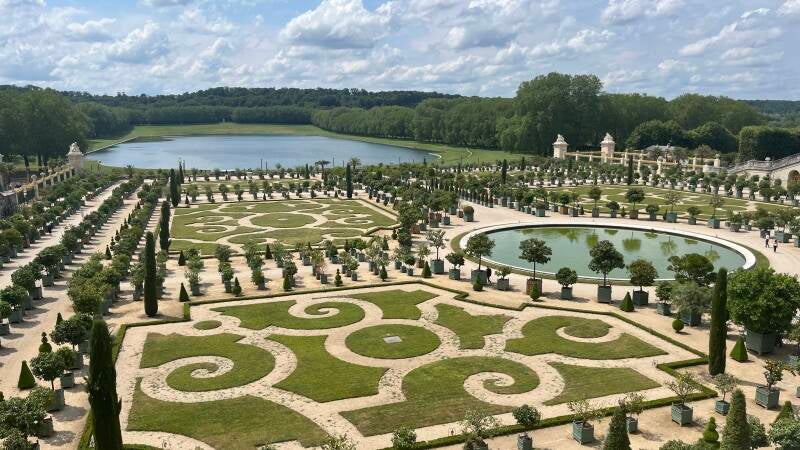
The Gardens of Versailles, Paris, France
These gardens are a masterpiece of geometry on a monumental scale.
Designed by André Le Nôtre in the 17th century, every path, hedge, fountain, and flowerbed was carefully arranged to create perfect symmetry and balance. Looking down from above, the gardens resemble an enormous ornamental drawing, where graceful curves and elegant spirals unfold across the landscape. It is fascinating to see how patterns usually found on paper can be transformed into living works of art, shaped by trees, water, and carefully trimmed hedges. Standing here, I couldn't help but wonder how many beautiful botanical designs could grow from these timeless forms.

The Ben Youssef Madrasa in Marrakech, Maroc
A place where decoration seems to have no end...
Every wall is covered with an astonishing combination of geometric patterns, flowing arabesques, carved cedar wood, and elegant Arabic calligraphy. Rather than competing for attention, each element blends seamlessly into the next, creating a remarkable sense of harmony. As I wandered through the courtyard, I found myself constantly looking closer, discovering new details hidden within the larger composition. It is a beautiful reminder that the most intricate designs are often built from simple shapes, repeated with extraordinary craftsmanship.